

 See My Latest Article on HelloNation
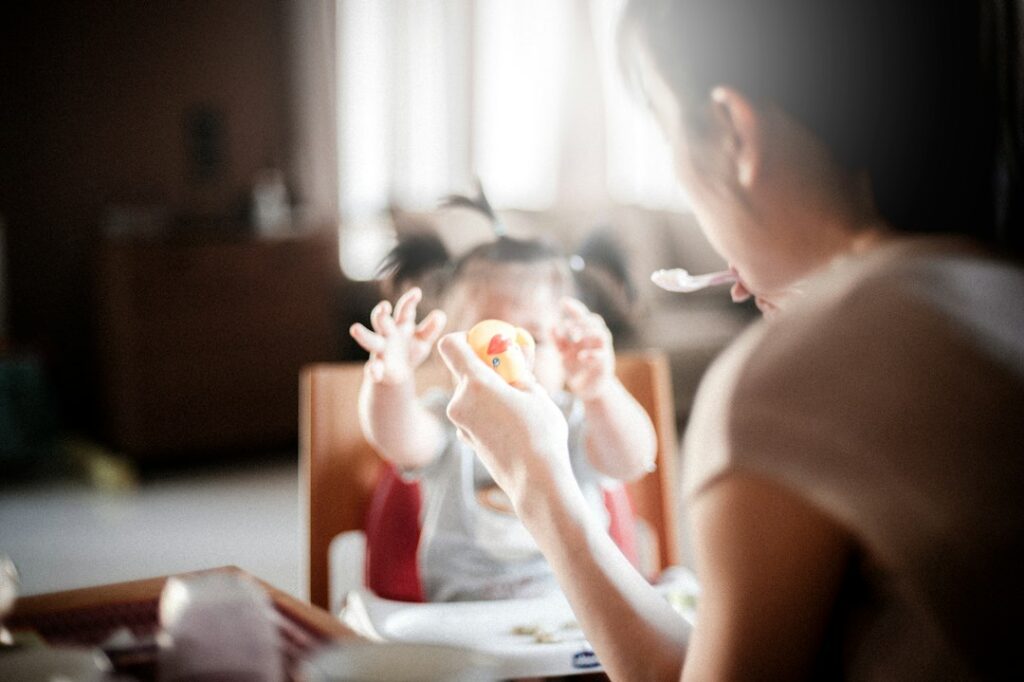
Is picky eating normal in young children?
For many toddlers and preschoolers in Allentown, PA, picky eating is a normal part of development rather than a sign that something is seriously wrong. Children may suddenly reject foods they previously enjoyed, prefer a small group of familiar meals, dislike foods touching on the plate, or become sensitive to certain textures.
Appetite can also change as growth slows after infancy. A child may eat a substantial breakfast, barely touch lunch, and then eat more at dinner. These day-to-day changes are often typical if the child is growing steadily, has reasonable energy, and eats at least some foods from different food groups.
Many children need repeated, low-pressure exposure before accepting something new. The Centers for Disease Control and Prevention notes that a child may need to see or taste a new food 8 to 10 times before becoming willing to eat it. ([cdc.gov](https://www.cdc.gov/infant-toddler-nutrition/foods-and-drinks/picky-eaters.html?utm_source=openai))
What should an adult do during meals?
Adults should decide what foods are offered and when meals and snacks occur. The child should have an appropriate role in deciding whether to eat and how much to eat.
A practical routine may include:
- Three regular meals and two or three planned snacks
- Water available between meals
- A calm eating area with limited distractions
- At least one familiar food served alongside less familiar foods
- Enough time to eat without rushing
- Permission to stop eating when full
Children do not need to clean their plates. Pressuring a child to take “just one more bite,” withholding affection, or using dessert as a reward can turn meals into a power struggle. A neutral response such as “You do not have to eat it, but it can stay on your plate” keeps the experience predictable.
In homes and early learning settings, consistency helps. During long indoor stretches in colder months, children may snack frequently out of boredom or convenience. Planned snack times, active play, and a regular meal schedule can help children arrive at meals with an appetite.
How can new foods be introduced without creating conflict?
Offer very small portions of new foods beside foods the child already accepts. A single pea, a thin slice, or a small spoonful is enough for exposure. Large portions can feel overwhelming and may lead to immediate refusal.
Use “food bridges” that connect a familiar food with a new one. Examples include:
- A different shape of pasta
- A new variety of a familiar fruit
- Toast with a new spread served separately
- A preferred cracker alongside a less familiar grain
- A familiar cheese next to a new texture
The child does not have to taste the food every time. Looking at it, touching it, smelling it, or placing it on the plate can also be part of becoming comfortable with it. Try the food again after several days rather than repeatedly asking during the same meal.
Adults can model eating by enjoying a variety of foods without making a performance out of it. Children often learn from watching family members, siblings, and classmates eat.
What if a child rejects vegetables or healthy foods?
Avoid labeling foods as “gross,” “bad,” or “adult food.” Children can develop stronger resistance when a food is connected with pressure or shame.
Vegetables and other less-preferred foods can be served in ordinary ways alongside accepted items. For example, a child who likes pasta might be offered pasta with a small portion of peas on the side. A child who accepts yogurt might be offered fruit separately rather than having an unfamiliar ingredient mixed into the entire serving.
Nutrition does not have to be perfect at every meal. A child may eat fruit at one meal, protein at another, and grains or vegetables later in the day. Looking at patterns over several days is usually more useful than judging one lunch.
Juice and sweetened drinks can reduce appetite for meals. Water and appropriate milk choices should generally be the main beverages for young children, while juice should be limited according to age-based guidance. Infants under 12 months should not receive juice. ([cdc.gov](https://www.cdc.gov/infant-toddler-nutrition/faqs/?utm_source=openai))
Should foods be hidden in meals?
Adding vegetables or other nutritious ingredients to foods is not automatically harmful, but it should not be the only way a child encounters them. If spinach is only blended into a sauce, the child may receive nutrients but miss the opportunity to learn the food’s appearance, smell, and texture.
A balanced approach is to include nutritious ingredients in familiar recipes while also offering foods in recognizable forms. A child might eat vegetables in a soup and also see a small piece of cooked vegetable on the plate.
Honesty is helpful. Adults do not need to announce every ingredient dramatically, but they should avoid making children feel tricked. Trust matters, especially for children who are already cautious about food.
How can early childhood educators and families work together?

Children may eat differently at home and in an early learning setting. Some eat more comfortably when seated with peers, while others become distracted or feel pressure in group meals.
Families and educators can share simple observations:
- Which foods are usually accepted
- Whether texture, temperature, smell, or appearance causes difficulty
- How long the child typically eats
- Whether the child drinks large amounts before meals
- Whether the child shows hunger or fullness cues
- Whether the child eats more successfully in a quiet setting
Adults should use similar language and avoid forcing bites. A shared plan might include serving one familiar item, allowing the child to refuse respectfully, and avoiding substitute meals immediately after every refusal.
In group settings, food allergies and choking risks also require careful attention. Children should eat seated and supervised, with foods prepared in developmentally appropriate sizes and textures. ([cdc.gov](https://www.cdc.gov/infant-toddler-nutrition/foods-and-drinks/tastes-and-textures.html?utm_source=openai))
When is selective eating a reason to seek medical guidance?
Picky eating deserves closer attention when it affects growth, safety, nutrition, or daily functioning. Families should discuss concerns with the child’s pediatric healthcare provider if a child:
- Is losing weight or not growing as expected
- Regularly coughs, chokes, gags, or has trouble swallowing
- Has persistent vomiting, pain, constipation, or diarrhea
- Eats an extremely small range of foods
- Refuses entire food groups for a prolonged period
- Has intense distress around meals
- Takes a very long time to eat
- Has low energy or signs of nutritional deficiency
These patterns may involve feeding difficulties, oral-motor concerns, sensory sensitivities, allergies, gastrointestinal problems, or other health factors. A healthcare provider can help determine whether further evaluation is needed.
The goal is not to make every child eat every food. A more realistic goal is to create safe, predictable opportunities for eating, protect the child’s relationship with food, and gradually expand comfort with different tastes and textures.