

 See My Latest Article on HelloNation
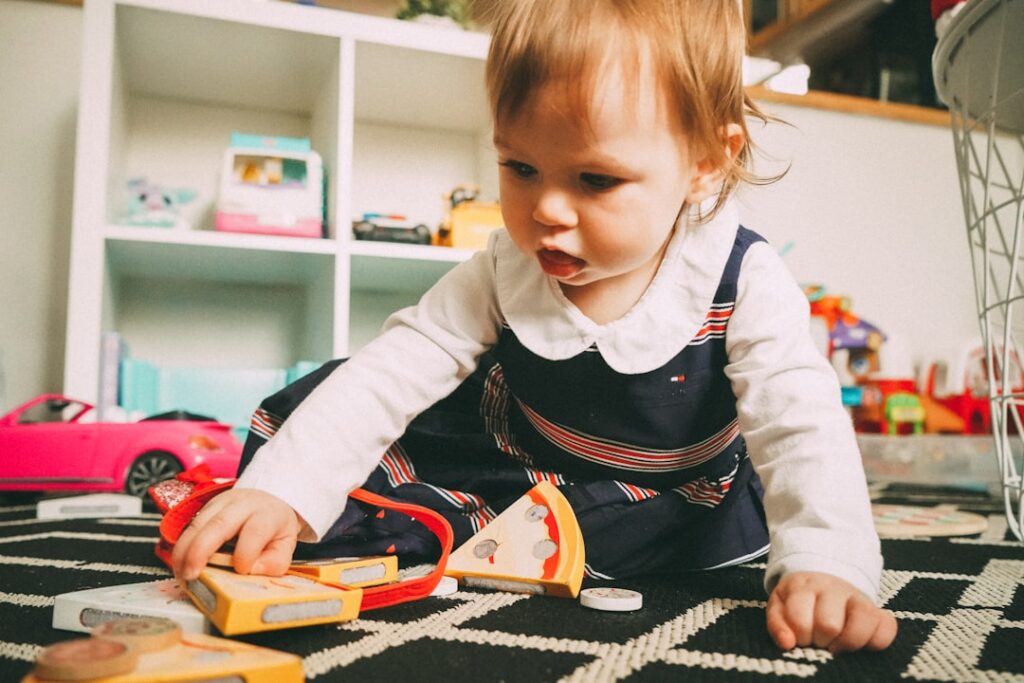
What Is Separation Anxiety in Preschoolers?
Separation anxiety describes the stress young children feel when they are apart from their parents or main caregivers. In preschoolers, this often appears as crying, clinging, or distress at drop-off. Mild separation anxiety is a typical part of development between ages 2 and 5, especially when children start new routines like preschool or group care. For families in Allentown, these transitions may coincide with children starting care in local centers, home-based preschools, or community programs.
Why Do Preschoolers Experience Separation Anxiety?
Children in this age group are developing independence but still rely on familiar adults for comfort and security. When routines change or new environments are introduced, their natural attachment instincts can trigger anxiety. Factors in Allentown, such as unfamiliar drop-off procedures during cold winters, changes in family schedules, or differences between home language and classroom language, may subtly increase stress for some children.
How Can Families Spot the Signs?
A preschooler with separation worries may:
- Cry, whine, or plead not to be left at preschool drop-off
- Complain of headaches or stomachaches at transition times
- Refuse to join group activities initially
- Insist on bringing a comfort object from home
Some children become quiet or withdrawn rather than openly upset. Recognizing these behaviors as forms of anxiety helps caregivers respond with understanding rather than frustration.
What Can Help Ease the Transition?
Supporting a child through separation anxiety involves preparation, consistency, and emotional reassurance. For families in Allentown, some reliable strategies include:
- Practice brief separations at home during weekends to build comfort.
- Use predictable goodbye routines so children know what to expect each day.
- Read books about starting preschool or being brave at drop-off.
- Make time for unhurried morning routines, especially during icy or snowy winter months to avoid rushing and added stress.
- Give children a familiar object, like a small family photo or favorite item, to keep in their cubby or backpack.
If possible, coordinate with your child's teacher so the first few days include extra reassurance and a warm handoff between adults. Allentown's community centers and parks sometimes host short playgroups that can also help children get used to being with other trusted adults.
Is Separation Anxiety Ever a Reason for Concern?

Most children outgrow separation anxiety by kindergarten. However, if distress significantly disrupts attendance, worsens over weeks, or is accompanied by sleep problems or extreme emotional reactions, it may be wise to consult with a pediatrician or child development specialist. In rare cases, stronger intervention is needed if anxiety limits the child’s ability to participate in everyday activities, enjoy play, or connect with peers.
Common Local Questions and Misunderstandings
Is it wrong to leave if a child is crying at drop-off?
A brief, loving goodbye combined with reassurance is usually healthiest. Lingering can make separation harder, though it’s normal to feel conflicted. Teachers in the Allentown area are generally experienced with supporting children at drop-off and will comfort them.
Will separation anxiety go away on its own?
With patience, gentle support, and consistent routines, most preschoolers’ anxiety fades as they settle into new settings in the city.
Can the preschool environment make a difference?
Yes. Familiarity with the building, teachers, and daily schedule can help children build confidence. If families can arrange a visit or walk past the school with their child before starting, it often eases worries.
How Does the Local Environment Play a Role?
Transitions happen within local contexts. In Allentown, seasonal changes may mean that children start preschool during cold months, which can make drop-offs harder for some. Housing patterns in the city—ranging from apartments to single-family homes—can affect how often children are used to being apart from caregivers, depending on neighborhood rhythms and routines. The city’s network of parks, libraries, and family-friendly events offers opportunities to practice short separations in a safe, enjoyable way—helpful for gradually building up a child’s comfort with being apart.
Tips for Supporting Preschoolers in the Area
- Allow extra time for transitions during snow or rainy weather, which are common in Allentown and can add to morning stress.
- Share any relevant family information with teachers, such as upcoming trips or routine changes, so they can better support the child.
- Create consistent end-of-day pickup routines to help children look forward to reunions.
- Connect with other local families at playgrounds or events to see how others navigate similar challenges.
Separation anxiety in preschoolers is a normal, temporary stage that most young children outgrow as they gain confidence in themselves and trust in their environment. Supportive adults, helpful routines, and patience go a long way in making transitions smoother for children and their families in Allentown.