

 See My Latest Article on HelloNation
What Are the Main Goals for a Toddler Learning Space at Home?
The primary goal for any toddler learning space is to support safe, active engagement and age-appropriate skill-building. At the toddler stage, children learn best through play, exploration, and hands-on activities that stimulate their senses and curiosity.
Local households should aim to create an area that allows:
- Opportunities for movement and sensory play
- Access to books and materials for early literacy and numeracy
- Free play as well as cozy, quiet spaces for calming down
For most homes in Allentown, dedicated playrooms are rare. Instead, carving out a purposeful zone within a living area or bedroom is often the most practical option.
How Much Space Is Needed for a Toddler's Learning Area?
A toddler doesn't require a large room—just a defined space that feels inviting and manageable. In many Allentown homes, families find success with spaces as small as a corner of a living room or part of a finished basement. Key features of a successful area include:
- Enough room for a child to move, sit, and stretch
- Visual boundaries, such as a small rug
- Safe, easy-to-reach storage bins or shelves
Most toddlers benefit from clear separation between play and rest areas, even within the same room. This helps signal when it's time to play, read, or relax—an important step in developing routines.
How Can Area Households Address Safety and Accessibility?
Keeping toddler spaces safe and accessible is vital, especially in family housing typical of the community. All objects within reach should be non-breakable and free from choking hazards. Furniture should be sturdy and tip-resistant.
Common safety tips include:
- Using outlet covers and securing cords
- Fastening bookshelves and larger furniture to walls
- Selecting toys that meet safety standards for toddlers
- Ensuring floors are clear of tripping hazards
In apartments, rowhomes, or townhouses, consider the proximity to stairs or exits. Baby gates may be needed, especially with open layouts common in local rowhomes.
What Should Be Included in a Toddler Learning Space?
A well-equipped learning zone for a toddler includes a mix of materials that encourage independent exploration and imaginative play. Some useful items are:
- Board and fabric books to build early literacy
- Stacking blocks, shape sorters, and simple puzzles
- Art supplies (crayons, large paper) for creative expression
- Cozy seating—floor cushions or a small chair
- Bins with rotating toys to avoid overwhelming choices
Including a child-safe mirror, soft toys, and objects that engage the senses—like textured balls, musical shakers, or nature-based materials gathered from local outdoor walks—can further enrich the learning environment.
How to Organize Materials for Easy Use and Clean-Up?
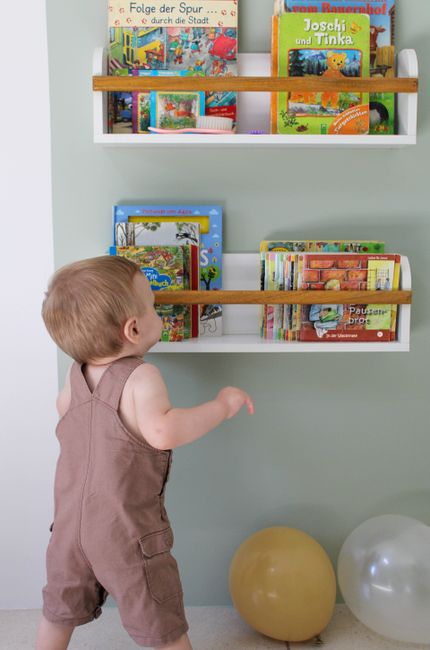
Toddlers thrive with order and routine, and a thoughtfully organized space helps them learn to care for their environment. Place toys and books within easy reach, at a child’s eye-level. Use open bins or baskets with clear pictures or simple labels to support early understanding and independence.
- Regularly rotate toys and books—storing some variety away to keep interest high and clutter low.
- Keep messy materials, like paints or sensory items, on higher shelves unless supervised by an adult.
- Provide a small basket or cubby for each child if siblings share the space.
Encouraging your toddler to help tidy up builds responsibility over time.
Are There Special Considerations for Small Homes in the City?
Many area residents have modest spaces, but a productive learning area doesn't require much square footage. Maximize what’s available with multipurpose furniture (e.g., storage ottomans, low bookshelves that double as play surfaces), wall-mounted shelves, and collapsible mats for active play.
Minimize visual clutter by limiting the number of toys and emphasizing open floor area for movement. In homes with limited outdoor access, create a mini-indoor gross motor zone with soft mats for jumping or tunnels for crawling, especially during winter months.
How Can Families Adapt Learning Spaces as Seasons Change?
The climate in Allentown can mean hot summers and cold, snowy winters. In warmer months, learning activities can expand to porches, balconies, or small yards—water play, sidewalk chalk, and outdoor nature tables provide variety. In winter, bringing natural items inside (like pinecones or leaves) adds sensory experiences.
For indoor comfort, ensure the area remains well-lit, ventilated, and free from drafty windows. Adjusting the dressing or layering of play materials can help maintain comfort as temperatures shift.
What Are Common Mistakes to Avoid?
Families sometimes assume more toys or high-tech equipment mean better learning—but toddlers benefit most from open-ended materials and hands-on experience. Overfilling the space can overwhelm and limit creative play. Focus on fewer, well-chosen items that can be used in multiple ways.
Another common oversight is neglecting to involve the child in set-up or clean-up. Even young toddlers can help select toys or put away blocks, fostering independence and ownership of the space.
How Can Local Families Use Community Resources to Enrich Home Learning?
Even the best home set-up is strengthened by outings and connections beyond the house. Exploring local parks, library story times, or nature trails in the area supports a child's learning and social development.
Local families can gather natural materials for sensory play, borrow books for variety, or attend free community events designed for young children—all of which enrich the home learning environment.