

 See My Latest Article on HelloNation
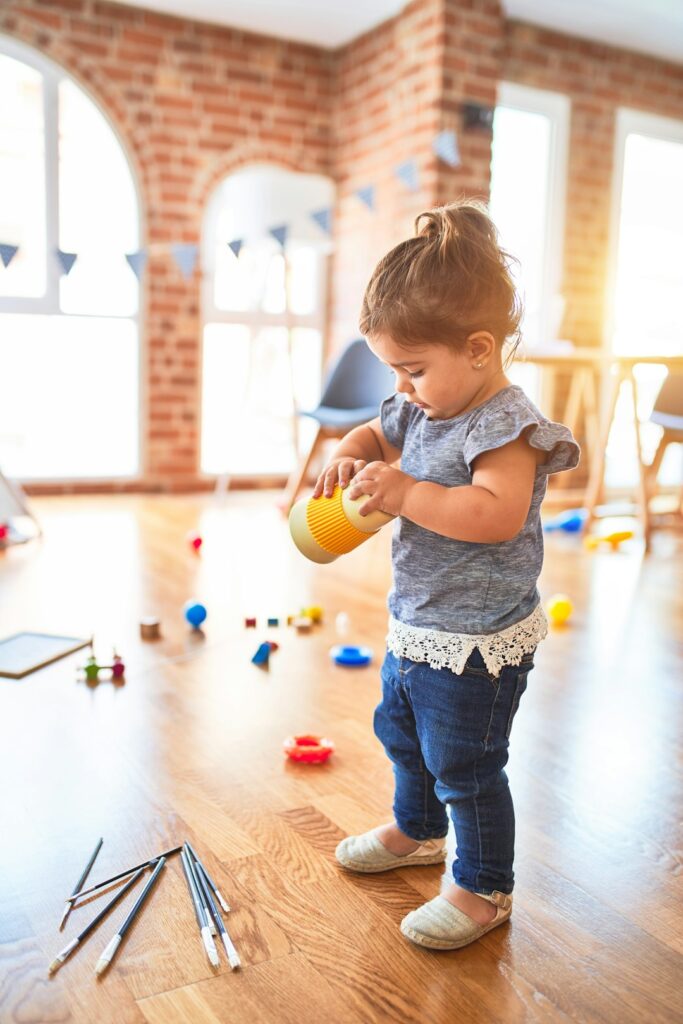
What Are Fine Motor Skills in Early Childhood?
Fine motor skills refer to the ability to use the small muscles in the hands and fingers to perform precise tasks such as grasping, pinching, drawing, and buttoning. In early childhood, these abilities form the building blocks for self-care, play, and school readiness. While every child develops at their own pace, supporting fine motor skills can set strong foundations for writing, eating, dressing, and independent living.
Young children in Allentown, PA, often develop these skills through daily routines and play, whether indoors during winter months or during outdoor time in warmer seasons. Families may notice milestones such as picking up small objects, turning pages in a book, or using utensils at meals.
Why Do Fine Motor Skills Matter?
Fine motor skills impact much more than just handwriting. They are crucial for tasks such as feeding, tying shoes, brushing teeth, and manipulating classroom materials. If children struggle in this area, they might feel frustrated or lose confidence as they try to keep up with peers.
Supporting these skills at home helps children feel confident in both structured and informal settings, making them more prepared for early learning programs and daily life in Allentown. Fine motor practice supports brain development, eye-hand coordination, and overall independence.
What Are Practical Signs of Developing Fine Motor Skills?
Early childhood educators and local families often look for practical indicators. Some of the most recognizable signs include:
- Pinching small items like cereal pieces or craft materials
- Stacking blocks or nesting cups
- Turning doorknobs or unscrewing tops
- Holding and using crayons or markers with control
- Fastening snaps, buttons, or zippers, especially once outdoor layers become necessary during fall and winter
Children may not master all skills at once. Progress is gradual and unique to each child. Residents may notice that changes in daily routines, available materials, or even seasonal gear (such as gloves and jackets) can influence how children practice certain fine motor abilities.
How Can Families Support Fine Motor Skills Using Everyday Materials?
Many household items and routines in Allentown homes can be used to encourage skill-building without specialized tools. Practical ideas include:
- Encouraging children to help with tasks like pouring dry beans or rice into containers, stirring batter, or peeling stickers—activities often available during family meal prep or craft time
- Using laundry days as a chance to let children match socks or fold washcloths
- Offering safe tongs, clothespins, or tweezers for sorting games with small toys, which support the pincer grasp
- Creating play opportunities that use playdough, clay, or putty during colder months when outdoor play is limited
- Providing coloring books, dot markers, or chunky chalk for drawing on sidewalks or driveways
- Practicing self-dressing with zippers, snaps, and buttons using winter coats or school gear
Most skill-building can be woven into daily routines without extra cost or special purchases, supporting accessibility for area households.
Are There Seasonal or Local Factors Impacting Fine Motor Development?
Seasonal changes in Allentown often influence how families support children's skill development. During colder months, children may spend more time indoors, so fine motor activities might involve more puzzles, board games, or craft projects. In spring and summer, gardening, drawing with sidewalk chalk, or playing with sand and water tables offer outdoor options.

The variety of housing in the city—whether homes have basements, porches, or apartment balconies—also affects which activities fit best. Families without much outdoor space might lean more on indoor table-top activities or window gardening kits, while those with yards can bring activities outside.
What Are Common Misconceptions About Fine Motor Skill Progress?
It’s a common misconception that all children should master pencil grip or scissor use by a certain age. While developmental charts offer general guidance, individual progress varies widely. Some children, particularly those with limited access to safe outdoor play spaces or diverse materials, may develop certain skills later.
Another misconception is that children must have commercial toys or special tools to improve these skills. Many of the strongest learning moments come from free or recycled materials, and from daily routines such as mealtime or dressing.
Families in Allentown may also worry that lack of formal preschool or early drop-off programs limits development, but home-based routines and community play opportunities are often just as valuable.
How Can Caregivers Make Activities Inclusive and Enjoyable?
Children are more likely to practice new skills when they feel relaxed and interested. Some strategies community members find helpful include:
- Offering choices between a few activities so children can follow their interests
- Breaking tasks into smaller steps for children who get frustrated easily
- Providing lots of praise for effort rather than perfection
- Making sure left- and right-handed children have materials that suit their needs
- Allowing extra time for tasks, especially when learning to put on coats, open lunch containers, or zip backpacks before heading to local schools or parks
In multi-generational households or among neighbors who may help with childcare, sharing ideas and swapping simple materials can make activity time more engaging and accessible for everyone.
When Should Caregivers Consider Reaching Out for Additional Support?
If children consistently struggle with everyday tasks like holding utensils, using art materials, or managing fasteners despite gentle, regular practice, it may be useful to talk to a pediatrician or public school early intervention program. This is particularly relevant if there are concerns about safety (like frequent dropping of objects or injuries), frustration that impacts self-esteem, or notable differences compared to similar-aged peers.
Community resources provide general support and screenings, helping families ensure children get the guidance they need while respecting each child's pace. Early support can make future routines—like joining group story times or art activities—more comfortable for both children and their families.