

 See My Latest Article on HelloNation
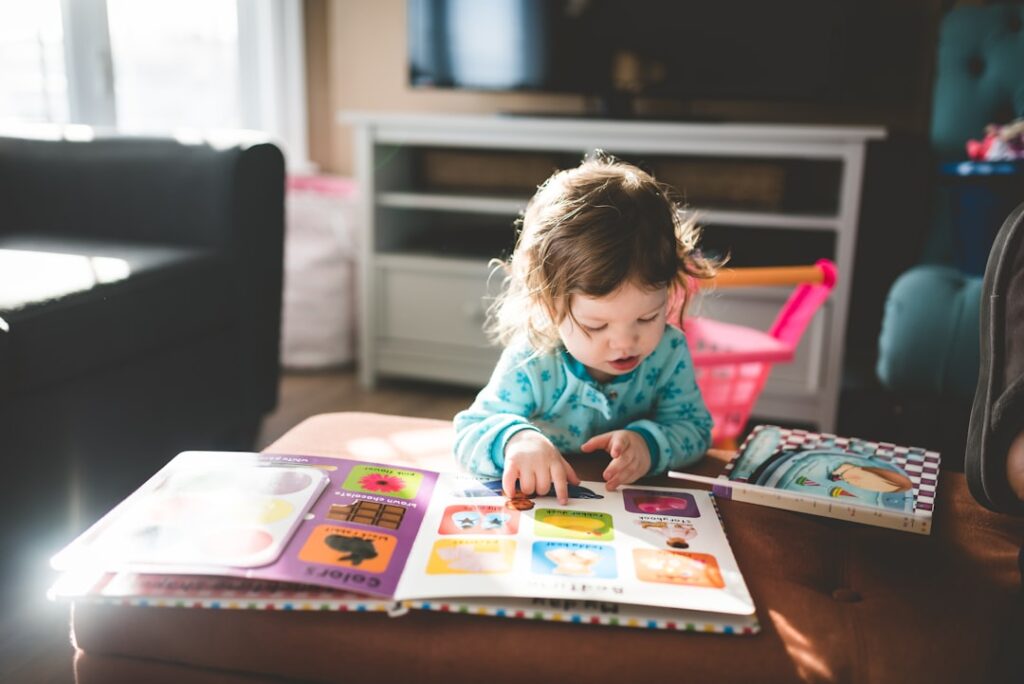
What Is Positive Discipline and Why Does It Matter for Young Children?
Positive discipline is an approach to guiding young children’s behavior that focuses on teaching, encouragement, and respect, rather than punishment. In Allentown, PA, families and educators often seek guidance on gentle, constructive ways to help children develop self-control, empathy, and lasting social skills.
Traditional disciplinary methods such as yelling, threats, or physical punishment can stop unwanted behavior temporarily, but they rarely teach children what to do instead. Positive discipline relies on the understanding that young children’s brains are still developing; mistakes, outbursts, and testing limits are part of learning. By focusing on guidance and connection, positive discipline aims to support children’s growth while maintaining a calm, safe environment.
How Can Local Families Start Using Positive Discipline at Home?
Caregivers can start with a few essential tools, which work in homes of all sizes in the city—whether living in apartments, houses, or shared spaces.
- Clearly state expectations before problems arise: For example, before heading to a crowded community event, explain the importance of staying together and listening.
- Use gentle reminders: Instead of scolding for running indoors, try, “Please use walking feet inside.”
- Offer choices within limits: “Would you like to clean up your blocks first or your books?” This gives children some control, reducing power struggles.
- Describe problems and solutions: “Water spilled on the floor. Let’s wipe it up together.”
In apartments and row homes where noise may travel, using a soft but firm voice helps maintain respectful relationships with neighbors as well.
What Role Does Routine Play in Positive Discipline?
Routines help young children feel secure and understand expectations. In Allentown, many households balance busy schedules, jobs, and after-school activities, making predictability especially helpful.
Daily routines like consistent mealtimes, regular bedtimes, and time for free play set clear boundaries. Visual schedules, where children can see pictures of what comes next, can be especially helpful for preschoolers.
When routines are interrupted by weather, holidays, or unexpected school closures common in urban communities, calmly talking through the changes helps children adjust. “Today’s park trip is cancelled because of rain, so we’ll read extra stories indoors.” This connection helps prevent acting out from confusion or frustration.
What Are Respectful Ways to Set Limits Without Harsh Punishment?
Setting healthy boundaries keeps children safe while still respecting their needs and feelings.
- Use clear, consistent language: “I cannot let you hit. You’re upset, but I cannot let you hurt your brother.”
- Redirect to a safe alternative: If a child throws blocks, show them where and how to build towers instead, or offer a beanbag to toss.
- Avoid shaming or threatening: Children learn most effectively in an environment of encouragement, not fear.
In multifamily buildings or busy neighborhoods where supervision can be challenging, clear, simple rules—like staying within certain play areas—help keep children safe without heavy-handed discipline.
Can Time-Outs Be Part of Positive Discipline?
“Time-out” gets mixed reactions from parents and caregivers. Positive discipline experts suggest that the traditional time-out, where a child is isolated as punishment, is less effective for long-term learning. Instead, consider the “time-in” approach:
- Stay close: Sit beside your child and offer calm comfort until they are ready to talk.
- Name feelings: “You seem angry right now. I’ll stay with you until you feel better.”
- When the child is calm, briefly discuss and practice better choices for next time.

This method helps children learn to regulate their emotions, rather than shutting them out when they are struggling.
How Can Adults Model Positive Behavior in the Community?
Children are keen observers. In the city’s shared spaces—parks, libraries, stores—adults who model respectful, calm behavior teach children how to interact with others.
- Speak to others as you wish your child would speak.
- Handle frustration by naming your own feelings: “I am frustrated that the bus is late, but I’ll take some deep breaths.”
- Show problem-solving with others: Apologize if you make a mistake or need a moment to cool down.
Local children benefit from seeing positive social skills in everyday settings, reinforcing lessons learned at home and in early childhood classrooms.
What Are Common Misconceptions About Positive Discipline?
Some local families worry that positive discipline is “permissive” or means letting children have their way. In reality, this approach is firm as well as kind. Children still have clear limits, but they are enforced in ways that build trust and teach skills.
Another misconception is that it takes too much time. While problem-solving in the moment can feel slow, positive discipline often results in fewer ongoing power struggles and meltdowns over time.
Where Can Residents Find Support for Positive Discipline Locally?
Families in Allentown can find trustworthy tips and resources from local libraries, public agencies, and parent support groups. Local schools and community centers often offer workshops or literature on child development and family guidance. Neighbors, relatives, and local caregivers can also be valuable sources of support—sharing what works for children in similar housing, cultural, or seasonal circumstances.
Caregivers who feel overwhelmed or unsure can always seek information from area pediatric providers or school counselors, who are familiar with the challenges facing local families.