

 See My Latest Article on HelloNation
How Can Preschoolers Begin to Understand Science?
Preschoolers are naturally curious, which creates many opportunities to nurture scientific thinking. The early years are ideal for introducing simple science concepts by encouraging exploration, questions, and hands-on play. In homes and early learning settings around Allentown, children benefit most when science is woven into daily routines, rather than presented as a distant or abstract subject.
What Are Simple Ways to Explore Science at Home?
Everyday activities in Allentown households—such as preparing snacks, playing outdoors, or watering plants—offer the perfect platform to introduce scientific ideas. Science for young children starts with observation, using their senses, making predictions, and noticing patterns. Simple strategies that can be used at home include:
- Letting children ask questions and leading discussions using “what,” “why,” and “how.”
- Encouraging them to notice changes—like ice melting on a winter window or seeds sprouting in a cup.
- Providing safe materials for mixing, sorting, and measuring, like water, sand, or kitchen ingredients.
- Exploring the outdoors, collecting leaves, stones, or observing insects in a backyard, a local park, or a community garden.
These approaches make science relatable to a preschooler’s daily life.
How Does Outdoor Play Support Science Learning in Allentown?
Outdoor play in Allentown allows children to directly engage with natural elements. The city’s changing seasons provide a rich canvas for young learners to explore concepts like weather, plant growth, and animal habits. For example:
- Spring walks may highlight new buds, worms, or puddles.
- In winter, observing snow and ice supports early lessons about temperature and states of matter.
- Summer gardening or backyard play can prompt questions about sunlight, water, and living things.
Often, caregivers or educators can enhance these moments by simply acknowledging a child’s observations (“You noticed the snow is melting—where do you think the water goes?”) and providing age-appropriate vocabulary.
How Should Adults Answer Preschool Science Questions?
Preschoolers pose questions that reveal their growing curiosity about the world. The most supportive answers are clear, honest, and often returned with another question to promote thinking. It’s not necessary for adults in Allentown to know every answer. A practical approach is:
- Acknowledge the question and express genuine interest.
- Offer a simple, truthful explanation that matches the child’s development (e.g., “Plants need sunlight to grow”).
- Encourage further investigation together, such as looking at books from the public library or watching what happens over time.
This approach models scientific curiosity and helps children build confidence in asking questions.
Are Special Materials or Expensive Kits Needed?
Most preschool science learning happens through real-life experiences using simple, everyday materials. While there are many kits and toys marketed for science learning, the basics—such as clear containers for water, spoons, natural objects, measuring cups, and magnifying glasses—can be found or repurposed at home. Baking, sorting laundry by color or size, and outdoor walks all offer meaningful science experiences without added cost.
What Science Topics Are Most Meaningful for Preschoolers in Our Area?
In Allentown, the natural environment and local routines provide opportunities to explore topics that resonate with children’s daily lives:
- Weather changes throughout the seasons—how cold, rain, and snow feel different, or how daylight changes over the year.
- Local plants and animals—birds, insects, pets, or garden vegetables.
- Water—how it moves, how ice forms, and what floats or sinks.
- Nutrition—where food comes from, how it grows, and how it changes when cooked.
Choosing topics that connect to children’s real experiences makes the concepts more understandable and memorable.
What Are Common Misconceptions About Teaching Preschool Science?
A few myths can make teaching science to young learners seem more complicated than it is:

- Children don’t need to memorize facts or use technical language.
- “Science” is not limited to chemistry sets or structured experiments; it’s built into daily observation and trial-and-error play.
- It’s normal for adults to not have all the answers. Modeling interest and an investigative attitude is more impactful than immediate explanations.
- Sensory play—touching, smelling, listening—counts as doing science.
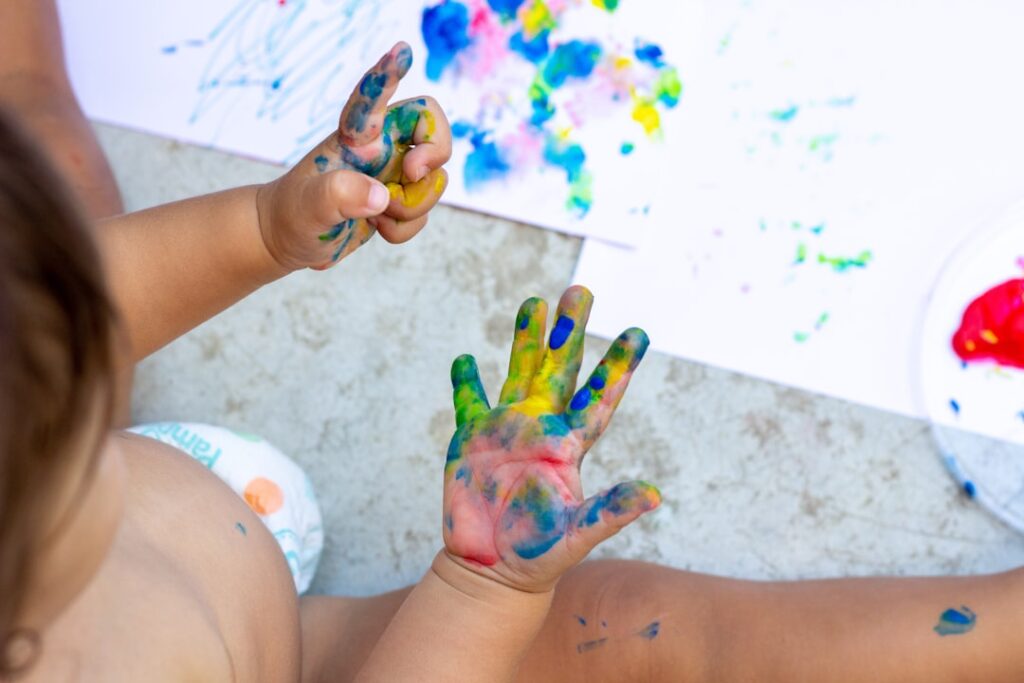
Adults can create an effective science-rich environment just by fostering curiosity and allowing children to experiment, even with messes.
How Do Group Settings Like Preschools Support Science Learning?
In local preschools and early learning centers, educators often embed science into routines, story time, art, and outdoor play. Children can:
- Work together on simple group experiments, such as making predictions about floating objects.
- Observe changes over time (for example, by monitoring a worm habitat or seeing bean seeds sprout on a window sill).
- Build vocabulary by narrating shared discoveries or reading storybooks about nature.
These collective experiences help children practice communicating observations and listening to others, founding group investigation skills for later learning.
How Can Caregivers Tell if a Child Is Learning Science?
Observation is key. Preschoolers may not recite scientific theories, but caregivers can look for signs such as:
- Increased curiosity: asking more questions, making connections, or trying new things.
- Using new descriptive words for what they see, feel, or hear.
- Noticing details, such as patterns or changes in the environment.
- Expressing ideas through play, drawing, or storytelling.
Progress can appear as more elaborate questions, the ability to make guesses, and an interest in small experiments or nature walks.
Where Can Residents in Allentown Find More Science Resources for Preschoolers?
For those seeking to supplement home learning, several public resources support young children’s budding scientific interests. Public parks, libraries, and community centers often offer seasonal events, educational story times, or nature walks tailored to families with young children. These opportunities can spark additional interest and provide experiences outside the home environment, connecting children’s curiosity with local community life.