

 See My Latest Article on HelloNation
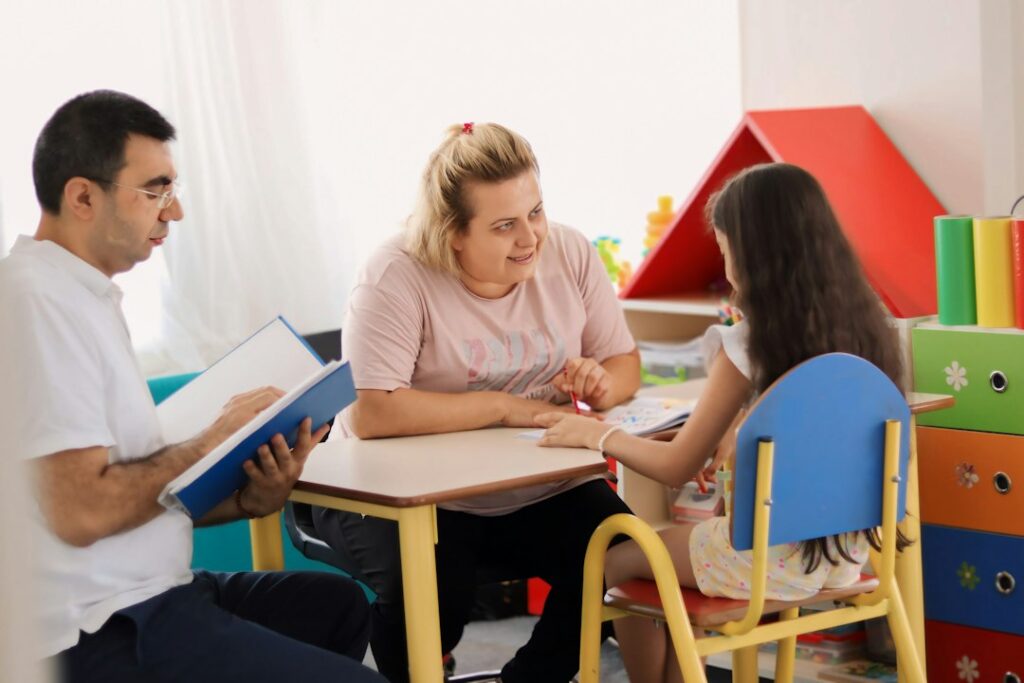
Why does the parent-teacher relationship matter?
A strong parent-teacher relationship gives young children consistent support between home and school. When adults communicate respectfully and share useful information, children are more likely to feel secure, understand expectations, and receive help that matches their developmental needs.
Early childhood educators observe children during play, routines, group activities, and peer interactions. Parents and caregivers see different parts of the child’s life, including sleep patterns, family changes, interests, worries, and behavior at home. Neither perspective is complete on its own. Combining both views can lead to better decisions about learning, behavior, communication, and emotional support.
For families in Allentown, PA, daily routines may be shaped by work schedules, shared housing, seasonal weather, transportation concerns, and the needs of several children in one household. These practical details can affect attendance, punctuality, energy levels, and communication. A useful partnership recognizes those circumstances without making assumptions.
What should parents and teachers communicate about?
The most helpful conversations focus on specific observations rather than labels. Instead of saying that a child is “difficult” or “not ready,” adults can describe what happened, when it happened, and what seemed to help.
Useful topics include:
- Changes in sleep, appetite, health, or toileting
- New fears, family transitions, or stressful events
- Words, songs, books, or activities the child enjoys
- Difficulties with sharing, separating, following directions, or calming down
- Emerging skills such as counting, drawing, dressing, or speaking in longer sentences
- Strategies that help the child participate or recover from frustration
Parents do not need to report every minor change. However, a short message about a disrupted night of sleep, a new routine, or a major family event can help a teacher interpret the child’s behavior more accurately.
Teachers should also share information in concrete terms. “Your child had trouble joining group time” is more useful than “Your child had a bad day.” A brief description of the setting and the support provided helps families continue the same approach at home.
How can communication stay respectful and practical?
Good communication does not require long conversations every day. It does require consistency, clarity, and a shared focus on the child.
Families and educators can agree on the best method for routine updates, such as a communication notebook, phone call, digital message, or brief conversation at arrival or dismissal. Sensitive concerns should be discussed privately rather than in a busy hallway or in front of other families.
A productive conversation often includes four parts:
1. Observation: What did the adult see or hear?
2. Context: When and where did it happen?
3. Response: What did the adult try?
4. Next step: What can the adults try consistently?
For example, a teacher might explain that a child became upset before outdoor play, accepted a two-minute warning, and then transitioned successfully. A parent might share that similar warnings work at home before meals or bedtime. This exchange creates a practical plan instead of assigning blame.
Language differences should not prevent meaningful participation. Families may prefer written communication, interpretation, translated materials, or extra time to discuss a concern. Respectful communication also includes using the child’s correct name, pronouns, family terms, and preferred language whenever possible.
What should happen during parent-teacher conferences?
A conference should be a two-way conversation, not a one-sided report. Parents can prepare a few questions about learning, friendships, routines, and emotional development. Teachers can bring examples of the child’s work, notes from classroom observations, and specific areas of progress.
Helpful questions include:
- What activities does my child choose most often?
- How does my child respond when a task is challenging?
- What does my child do well with peers?
- Are there classroom routines that seem difficult?
- What skills would be useful to practice at home?
- How will progress be monitored?
Early childhood development is uneven. A child may speak confidently but need help with fine-motor tasks, or enjoy group play while struggling with separation. A single behavior should not define the child’s abilities or personality.

If a concern arises, families and teachers can agree on one or two measurable goals. For example, the goal might be to use words or a visual cue to ask for help, remain with a small group for five minutes, or complete a transition with fewer reminders. Reviewing progress after a reasonable period is more helpful than expecting immediate change.
How can disagreements be handled?
Disagreement does not mean the partnership has failed. Adults may interpret the same behavior differently because the child acts differently at home and school, or because expectations vary between settings.
Start by asking questions rather than defending a position. “What do you notice before this happens?” or “What response seems to help?” can reveal information that is not obvious at first.
Keep the discussion centered on:
- The child’s safety and emotional well-being
- What the child is communicating through behavior
- Developmentally appropriate expectations
- Strategies that can be used consistently
- A plan for checking progress
Avoid comparing the child with siblings, classmates, or broad age-based stereotypes. Children develop at different rates, and cultural expectations about independence, eye contact, conversation, quiet behavior, and adult interaction may differ.
If a concern involves possible developmental delay, persistent emotional distress, repeated safety issues, or a significant change in functioning, families and educators should document observations and discuss appropriate next steps. A qualified health or developmental professional may be needed when assessment or safety guidance is required.
What can families do at home to support the partnership?
Parents can strengthen communication through small, predictable habits. Checking messages regularly, sharing relevant changes, and asking for clarification before drawing conclusions can prevent misunderstandings.
Home activities do not need to resemble formal lessons. Reading together, talking during meals, sorting laundry, drawing, building with safe materials, and practicing simple routines all provide opportunities to support classroom goals. If a teacher suggests a strategy, families can explain whether it fits their household schedule and request an alternative when needed.
Seasonal conditions also affect early childhood routines. During cold, wet, or very hot weather, children may arrive with different energy levels, clothing needs, or opportunities for outdoor play. Sharing practical information about these changes helps educators plan realistic expectations and helps families understand why a child may need extra transition time.
Teachers can support families by avoiding jargon, explaining policies clearly, and recognizing that attendance, transportation, work hours, and caregiving responsibilities may affect communication. Families can support teachers by sharing concerns early, responding when possible, and recognizing that classroom staff are balancing the needs of a group of children.
What does a successful partnership look like?
A successful parent-teacher relationship is not one in which adults agree about everything. It is one in which they exchange information honestly, address concerns directly, and remain focused on helping the child feel safe and capable.
The strongest partnerships are specific and ongoing. They notice progress, respond to concerns before they grow, and adjust strategies as the child develops. Respectful communication gives children a consistent message: the important adults in their lives are paying attention, working together, and making room for their individual needs.